Bridging for Meaning
unsplash-image-ozKAAx6T8-Y.jpg
1. Introduction:
The ideas in this blog post aren't new; many creative arts therapists worldwide use them. What may be new is bringing these exercises together in one lesson and inviting them to interact with each other to create new meaning.
I love Susan Buchalter’s books, especially “250 Brief Creative and Practical Art Therapy Techniques”: https://arttherapyresources.com.au/art-therapy-techniques/. She is often my ‘go-to’ when I am planning a workshop.
In the Circle of Comfort Mandala exercise, we build on the concept that Jung gifted us: The Power of the Mandala, https://www.carl-jung.net/mandala.html
The Bridge Exercise. Although many people have used the Bridge exercise over the years and it is not attributed to any particular practitioner, you may find this interesting: Hays, R. E., & Lyons, S. J. (1981). The bridge drawing: A projective technique for assessment in art therapy. The Arts in Psychotherapy, 8(3-4), 207–217. https://doi.org/10.1016/0197-4556(81)90033-2
Box Breath
Insight Timer is my preferred meditation app and is free. I use it daily. Today’s affirmation is: We judge ourselves by what we feel capable of doing while others judge us by what we have already done (Longfellow).
https://insighttimer.com/nicolerobinson/guided-meditations/box-breathing-a-simple-breathing-practice
Meditation
A body scan for you to try:
https://insighttimer.com/andrewjohnson/guided-meditations/body-scan-relaxation
Welcome
Today, we begin rewriting our personal mythology: the story of who we are and how we show up in the world. One of my favourite characters, Luke, was a boxing trainer. She was powerful and tough, and she said:
Unless you have a dream (purpose)
You cannot achieve anything
You can’t even take a first step
Unless you have a dream (purpose)
(Prize Fighter. A play by Future Fidel. Australian Tour 2018)
As creatives, our task is to recognise and pursue our purpose. Through a series of creative processes, we will explore what feels comfortable, what feels challenging, where we have been, where we are going, how we might get there, and what could stand in our way.
Let’s take the first step towards empowering ourselves so that we have the fortitude to empower others.
What if self-care was not primarily about pampering yourself or escaping from something unpleasant, but more importantly, about developing the ability to reflect on how I operate in the world?
· How am I in the world?
· Where have I been?
· Where am I going?
· What is getting in the way?
As carers of other people, you may be caring not only for your arts community but also for your family members, close friends, children, etc. Our job is therefore to notice how we are feeling while holding so much.
For carers, self-care begins with noticing: recognising how you feel, understanding what you can and cannot take on, and becoming aware of how stress and anxiety show up in your body.
I believe the most important element of self-care is self-knowledge:
Know your limits
Understand your needs
Clarify your relationship to stress, anxiety and fear.
This Bridge Exercise is one of the first steps towards caring for ourselves so that we can care for others, cultivating our ability to reflect on who we are and who we are becoming. ·
We will engage in four tasks: Circle of Comfort, Breathing Meditation, Building a Bridge to Understanding, and Meditation.
CIRCLE OF COMFORT:
unsplash-image-g51xpAiZJXM.jpg
Draw a circle. Inside it, write or draw the people, places, activities and qualities that feel comfortable within your comfort zone:
i. Draw a circle big enough to be able to draw inside and out. Inside it, write or draw the people, places, activities and qualities that feel comfortable.
ii. Now consider what’s outside your comfort zone: what or who sits outside your circle of comfort?
iii. What is missing?
iv. Why is it missing?
2. BOX BREATH:
Box breathing is a quick and accessible way to find calm. Breathe in for four counts, hold for four, breathe out for four, and hold for four. Adjust the count to suit your needs; you might use eight counts at one time and three at another, depending on how you feel. To stay focused, you can draw a square before engaging in Box Breathing. Then trace your finger around the square each round of breath.
When we combine drawing and mindfulness, we can reduce anxiety, activate our parasympathetic nervous system, and slow our heart rate. This reduces cortisol and deepens our focus, anchoring attention in the present. Ready for our next exploration.
3. THE BRIDGE EXERCISE:

unsplash-image-LjesOs00QRg.jpg
The Bridge Exercise helps us reflect on where we are now and where we wish to be. A bridge can symbolise transition: moving from one place or stage to another, even when the path ahead feels uncertain.
· Draw a bridge leading from one place to another.
· Draw an arrow to represent the direction you are travelling.
· How solid is your bridge?
· What appears on either side?
· How is it constructed?
· What type of bridge have you drawn?
· What is the vantage point of the viewer?
4. WRITE A BRIEF STORY ABOUT YOUR BRIDGE:

unsplash-image-FluPNkHfCTs.jpg
o Where is the person on the bridge?
o What is the person leaving behind?
o What knowledge did you gain before you set out across the bridge?
o Why are you crossing the bridge?
o Why now?
o What does the person wish to find on the other side?
o What does it feel like to be on that bridge?
6. BRINGING IT ALL TOGETHER:
BRINGING IT ALL TOGETHER: Consider your Circle of Comfort and your Bridge side by side, or superimposed on top of each other. What relationship can you see between them? If no connection is immediately apparent, stay curious; new meaning may emerge as you reflect.
unsplash-image-S1VISFdBOn0.jpg
7. MEDITATION:
unsplash-image-Gs1MzZCnU5k.jpg
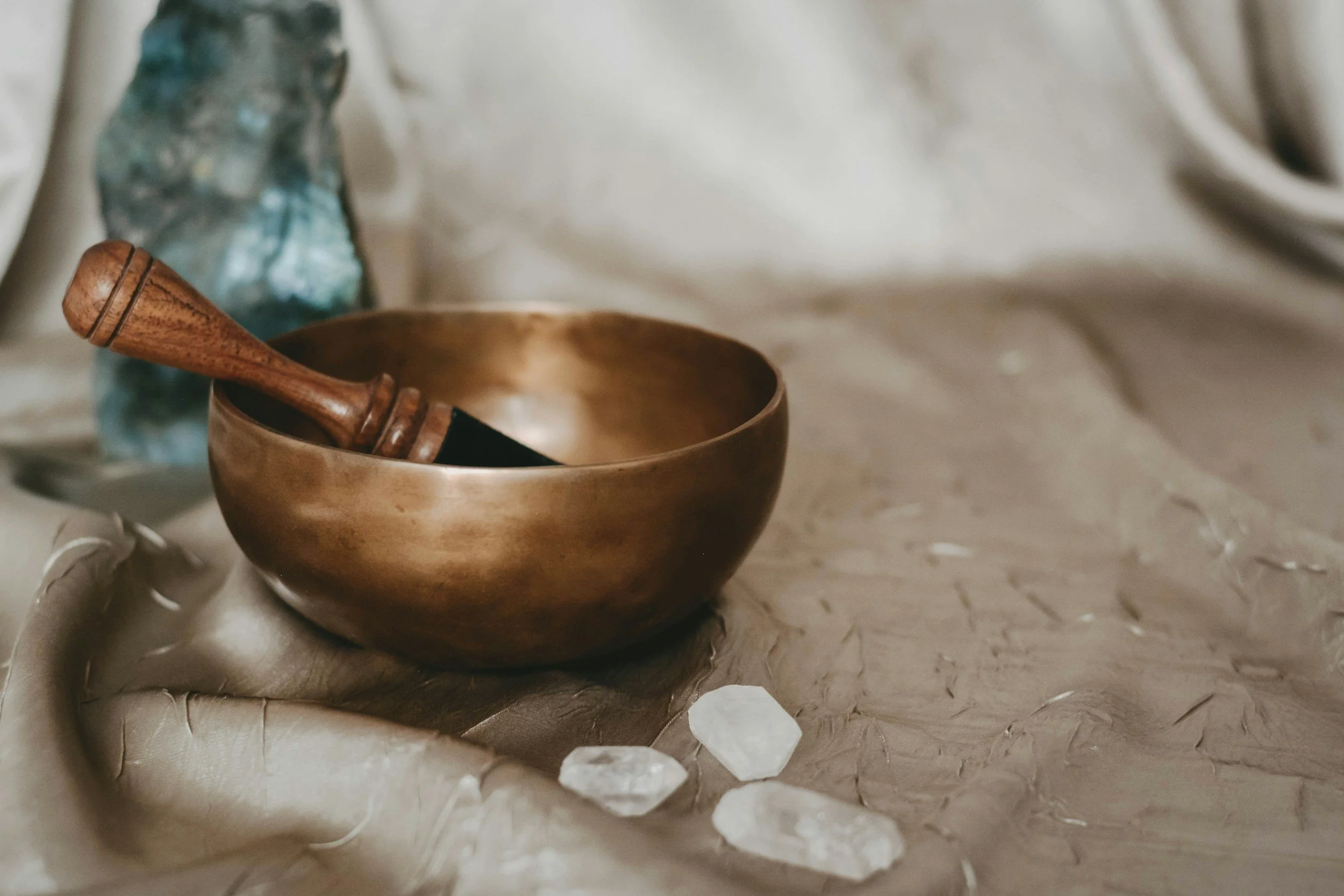
We finish our session with a meditation, using a body scan to bring attention to different parts of the body and invite each area to relax. Insight Timer offers many guided meditations for those who would like to continue practising. It is a free app. https://insighttimer.com/